
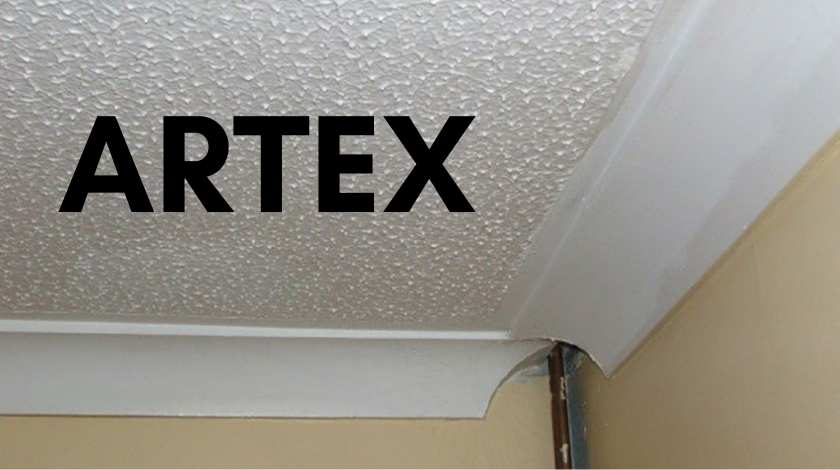
Let’s be honest. If you’ve bought an older house in the UK, especially one from the 60s, 70s, or 80s, you’ve probably stood in a room, looked up, and thought, “What on earth am I going to do with that ceiling?” That bumpy, swirly, or stippled texture has a name: Artex. It was the height of fashion once, a quick and cheap way for builders to hide imperfections. Today, for many homeowners, it’s a dusty, white headache that screams “outdated” and whispers a more worrying question: “Could it be dangerous?”
I remember helping my friend Sarah with her first home—a charming 1979 semi. The entire downstairs was a museum of texture. Her dream of a sleek, modern look felt miles away. Her main concern wasn’t even the style; it was the safety of her young kids. She’d heard the ‘A-word’—asbestos—and was rightly worried. Our journey from confusion to a smooth, safe ceiling taught us a lot, and it’s that practical, safety-first knowledge I want to share with you.
What Exactly Is Artex, and Why Is It Everywhere?
First things first, Artex is a brand name, like Hoover or Sellotape. It became so popular that we now use it to describe all textured ceiling coatings. Originally, it was a powder you’d mix with water to create a thick paste. The decorator would then trowel or flick it onto the ceiling to create various patterns—the most common being the ‘stipple’ (little peaks), the ‘swirl’, and the ‘fan’ pattern.
Its popularity wasn’t about high fashion. It was profoundly practical. Applying a smooth, flawless plaster finish to a large ceiling is a skilled, time-consuming, and therefore expensive job. Artex was a miracle worker for the post-war building boom. It went on quickly, covered up any minor cracks or unevenness in the ceiling underneath, and dried hard. For decades, it was the default choice for new builds and renovations. The problem, as we later discovered, was what they put in the mixture to make it strong and fire-resistant.
The Asbestos Question: The Heart of the Matter
This is the section you cannot skip. Between the mid-1960s and the mid-1980s, many manufacturers added white asbestos (chrysotile) to Artex and similar products. Asbestos is a naturally occurring fibrous mineral that is incredibly strong and resistant to heat. It was the perfect, cheap additive. They stopped using it around 1984/1985, but stocks of asbestos-containing Artex were still used by builders for a few years after that.
Here’s the critical point that I always stress: Not all Artex contains asbestos. If your house was built or decorated after 1990, it’s extremely unlikely. If it’s from the late 80s, it’s a maybe. If it’s from the peak period (70s to mid-80s), the probability is high. You cannot tell by looking at it. The asbestos fibres are mixed right into the material and are microscopic. Anyone who says, “Oh, that looks like the safe kind,” is talking nonsense. You need a test.
Step One: Testing – It’s Easier and Cheaper Than You Think
The thought of testing can feel daunting, but it’s a straightforward process. Do not, under any circumstances, start scraping or sanding to “take a little sample.” Disturbing the material is how fibres become airborne and dangerous.
You have two main options. You can hire a UKAS-accredited asbestos surveyor to take a sample for you. This is the best route if you’re about to do major works. The second, and very popular, option is to use a postal testing kit. You can buy these online. They come with clear instructions, gloves, a mask, and a container. You lightly dampen the area (to stop any dust), use a small tool to prise off a pea-sized piece, seal it in the pot, and post it to the lab. For around £30-£50, you get a definitive answer in a few days. For Sarah, this £40 test was the best money she ever spent. It gave us the peace of mind to plan our next move. The result was negative (her house was just on the cusp), but we treated the process with the utmost respect regardless.
Your Three Realistic Paths Forward
Once you know what you’re dealing with, you can make an informed decision. Here are your core options, from most to least invasive.
1. Professional Removal (For Asbestos-Positive Artex)
If your test comes back positive, my strong, professional opinion is to hire a licensed asbestos removal contractor. This is not a DIY job. Licensed contractors have specialist training, equipment (like sealed negative pressure units and Class H vacuum cleaners), and legal disposal routes. They will seal the room, remove the material safely, and clean the area to a certified standard. It is the most expensive option but also the most definitive. You are left with a bare ceiling ready for a new finish, and the asbestos is gone forever.
2. Plaster Skimming (The Gold Standard for Most)
This is by far the most common solution for ceilings that are sound but textured. It involves applying a thin, 3-5mm layer of multi-finish plaster over the entire Artexed surface. A skilled plasterer will first apply a bonding agent (like PVA or a specialist primer) to help the new plaster stick. In a matter of hours, they can transform a swirling, bumpy ceiling into a perfectly smooth, modern one.
The beauty of skimming is that it encapsulates the old Artex. If it does contain asbestos, it is sealed in and not disturbed, as no sanding or scraping is needed. It’s a fantastic compromise. The cost is significantly less than full asbestos removal, and the finish is excellent. This is what Sarah and I opted for. Watching the plasterer glide his trowel across, magically filling in all those textures, was deeply satisfying.
3. Overboarding (The Strategic Cover-Up)
This is a brilliant, underrated option, especially if the ceiling underneath is in poor condition or you want to add insulation. It simply involves fixing new plasterboards directly over the old Artex ceiling. The boards are screwed into the existing ceiling joists. The seams are taped and filled, and then the whole new surface can be skimmed with plaster for a flawless finish.
Overboarding is permanent, effective, and completely seals in the old ceiling. It’s also a great DIY project for a confident homeowner, as long as you have a helper to lift the boards and you’re careful to find the joists. It adds a tiny amount of height loss to the room, but this is usually negligible.
A Word on DIY Removal (For Confirmed Asbestos-Free Artex Only)
If you are 100% certain your Artex is asbestos-free (post-1990 build and a negative test), you can consider removing it. The process is messy and hard work. It involves thoroughly soaking the texture with water (often using a steam stripper) to soften the coating, then carefully scraping it away with a broad filler knife. You must wear proper protective gear—a good mask (FFP3 rated), goggles, and coveralls—because you’ll be creating a phenomenal amount of dust and debris. Be prepared for a long, messy job and the high probability that you’ll still need to plaster the ceiling afterwards to fix the gouges and scratches you’ll inevitably make.
Conclusion: Knowledge is Your Best Tool
Dealing with Artex is more of a project in responsible homeownership than a simple decorating task. That textured ceiling is a piece of your home’s history. The key is to respect it, understand it, and deal with it safely. Start with a test. Let that result guide your budget and your plans. For most people, plaster skimming by a professional plasterer offers the perfect balance of safety, cost, and a beautiful final result. Don’t let the worry of what’s above your head spoil the joy of your home. With the right information and a careful approach, you can turn that dated texture into a smooth, clean slate for your own design dreams.
FAQ Section
Q1: Can I just paint over my Artex to make it look better?
Yes, you can, and many people do. A fresh coat of white paint can brighten it up. However, it will still be textured. Painting also seals it, which is good if asbestos is present. Use a thick nap roller to get into all the crevices. Be aware that heavy paint layers can sometimes cause loose Artex to sag.
Q2: How much does it cost to have an Artex ceiling skimmed?
Prices vary by region, size of the room, and height of the ceiling. As a rough guide in 2024, you might expect to pay between £200 and £400 for a standard 3m x 4m room. Always get at least three quotes from recommended plasterers.
Q3: My test was positive for asbestos, but the ceiling is in good condition. Do I have to remove it?
No, you don’t. The official Health and Safety Executive (HSE) guidance is that asbestos in good, undamaged condition, and not likely to be disturbed, is often best left alone and monitored. Painting it or covering it with plasterboard (overboarding) are perfectly safe management options.
Q4: Is it illegal to remove asbestos Artex yourself?
It is not illegal for you to remove asbestos-containing materials (ACMs) from your own home, as you are not an employer. However, it is heavily discouraged and considered extremely high-risk. The legal duty to protect others from exposure is very strong. You would be personally responsible for safe containment, removal, and disposal as special hazardous waste, which is complex and costly. Hiring a professional is strongly advised.
Q5: What’s the difference between Artex and popcorn ceiling?
They are very similar concepts from different parts of the world. Artex is the British term and often has more defined patterns (swirls, stipples). “Popcorn ceiling” is the common North American term and typically refers to a more random, spattered texture. Crucially, both very often contained asbestos during the same era.