
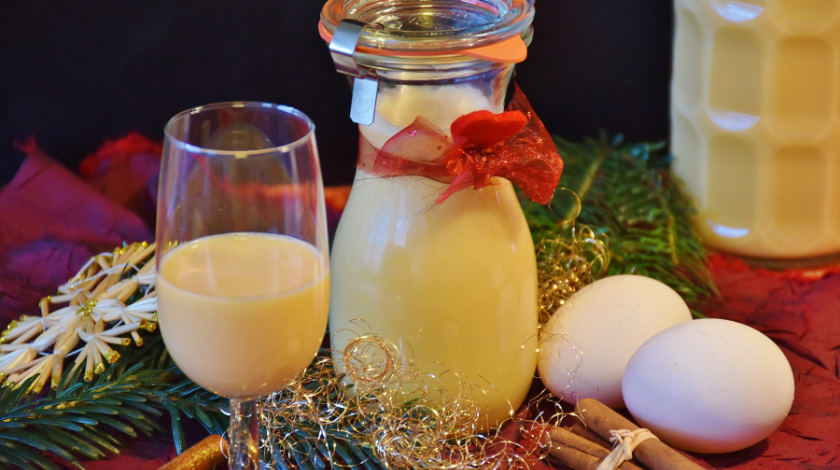
I still remember my first real encounter with advocaat. It wasn’t in a fancy bar, but in a cozy, book-lined living room in Amsterdam. Outside, a typical Dutch drizzle painted the streets grey, but inside, my friend’s grandmother, or oma as I learned to say, was preparing a little winter treat. She brought out small, delicate glasses filled with what looked like thick, sunshiny custard. “This,” she said with a warm smile, “is advocaat. It is good for the soul when the sky is sad.” I took a sip, and it was a revelation. Creamy, velvety, with a profound vanilla and egg richness, followed by a gentle, warming brandy hug. It was nothing like the harsh spirits I was used to. This was a drink that felt like a comfort blanket in a glass.
That experience sparked a curiosity in me. What exactly is this substance? Is it a drink, a dessert, or a sauce? Why is it so beloved in the Netherlands and seemingly a secret everywhere else? If you’ve ever picked up a bottle of Warninks or Bols Advocaat and wondered the same things, you’re in the right place. Let’s pull up a chair and unravel the story of this unique, comforting delight together.
So, What Exactly Is Advocaat?
Let’s start simple. Advocaat (pronounced ad-vo-kahht) is a traditional Dutch liqueur. But calling it just a “liqueur” feels a bit misleading, as it doesn’t pour like whiskey or gin. The key thing to understand is that it is cream-based and egg-yolk-based. Imagine the most luxurious, alcoholic custard you can think of, and you’re getting close.
Its texture is thick, smooth, and pourable, almost like a drinkable pastry cream. The primary ingredients are simple but powerful: egg yolks, sugar, brandy (or sometimes a neutral spirit like jenever), and vanilla. The magic happens through careful heating and emulsification, where the fats from the egg yolks and the alcohol bind together into that signature silky consistency. The result is a rich, sweet, and deeply aromatic drink with an alcohol content typically between 14% and 20% ABV. It’s not a shot drink; it’s a sip-and-savour experience.
A Name with a Story: The Brief History of Advocaat
The name itself is a clue to its past. “Advocaat” is the Dutch word for “lawyer” or “advocate.” The most popular story, which I’ve heard from several Dutch friends, is that it originated in the Dutch colonies, possibly in Brazil or Suriname, where avocados were abundant. The tale goes that lawyers (advocaten) would enjoy a thick, avocado-based drink. When the recipe traveled back to the Netherlands, where avocados were not available, resourceful Dutch producers substituted the creamy avocado with the creamy yolk of an egg, and the name stuck.
While it’s a charming story, food historians often point to a more probable origin: it’s a Dutch adaptation of “advocaatborrel,” which essentially means “the lawyer’s drink.” It was likely a nourishing, egg-based beverage enjoyed by the wealthy professional class. Regardless of its true origin, by the 19th century, advocaat had firmly established itself as a beloved national specialty, a symbol of hospitality and gezelligheid—that untranslatable Dutch word for cozy, convivial warmth.
The Great Debate: Advocaat vs. Eggnog
This is the question I get asked the most. They look similar, so are they the same thing? Not quite. Think of them as delicious cousins, not twins.
Advocaat is typically thicker and richer. It’s made with a high proportion of egg yolks, giving it a dense, custard-like body. It uses brandy as its primary spirit and is almost always a ready-to-drink, bottled product you buy. Its flavor is deeply of egg and vanilla.
Eggnog (the American kind) is generally thinner and milkier. It’s a beverage made with beaten eggs, milk, cream, sugar, and spirits (often rum, brandy, or bourbon). It’s frequently homemade, especially during Christmas, and has a lighter, more drinkable consistency. It’s often served with a dusting of nutmeg.
You could say advocaat is the concentrated, liqueur version of the idea, while eggnog is the diluted, milky punch version. If you poured eggnog into a glass, it would behave like milk. If you poured advocaat, it would slowly, lazily glide out, coating the glass.
How to Drink and Enjoy Advocaat: A World of Possibilities
Here’s where the fun begins. My oma friend was a purist, and there’s something to be said for that.
The Traditional Way: Serve it very well chilled, in a small tulip-shaped glass or a sherry glass. Sip it slowly after a meal as a digestif, or alongside a strong black coffee. The contrast is wonderful. This is how you truly taste the complexity of the ingredients.
The Iconic Cocktail: The Snowball. This is probably how most people outside the Netherlands know advocaat, especially in the UK. It’s laughably easy and surprisingly delicious. Simply take:
-
50ml (a good double measure) of chilled advocaat
-
Top up with about 150ml of chilled lemonade or lemon-lime soda (like Sprite or 7Up).
-
Give it a gentle stir and garnish with a maraschino cherry.
The drink becomes frothy, sweet, tangy, and incredibly refreshing. For a festive twist, use champagne or prosecco instead of lemonade for a “Sparkling Snowball.”
Other Simple Ideas:
-
The Floater: Pour a shot of advocaat over the back of a spoon onto a glass of cola. It creates a beautiful layered effect.
-
Coffee Companion: Add a generous spoonful (or two) to your hot chocolate or coffee instead of sugar. It creates a luxurious, boozy latte.
-
The Dessert in a Glass: Layer advocaat with fresh berries, crumbled speculoos cookies, and whipped cream in a parfait glass.
Advocaat in the Kitchen: Not Just a Drink!
This is my favorite way to use up a bottle. Because of its creamy, eggy nature, advocaat is a fantastic baking and dessert ingredient. It adds moisture, richness, and a subtle boozy note.
-
The Ultimate Tiramisu: Replace half the usual marsala wine or coffee liqueur in your ladyfinger soak with advocaat. The vanilla notes work magically with coffee and mascarpone.
-
Ice Cream Topping: Drizzle it straight over vanilla, chocolate, or strawberry ice cream. It’s like a boozy, runny custard sauce.
-
Cake Booster: Brush it over sponge cakes to add moisture and flavor before frosting.
-
Quick Mousse: Fold it into softly whipped cream for an instant, no-cook mousse. Spoon it into glasses and top with grated dark chocolate.
Making Your Own Advocaat: A Labor of Love
While store-bought is excellent, making it yourself is a rewarding weekend project. It requires care, as you are gently cooking eggs, but the result is profoundly fresh. Here’s my go-to recipe:
You’ll need:
-
8 fresh, high-quality egg yolks
-
200g fine white sugar
-
250ml good quality brandy (a VSOP cognac works wonderfully)
-
1 vanilla pod, seeds scraped (or 2 tsp real vanilla extract)
-
A pinch of salt
The Method:
-
Create a bain-marie: place a heatproof bowl over a pot of gently simmering water, ensuring the bowl doesn’t touch the water.
-
In the bowl, whisk the egg yolks and sugar together until pale, thick, and creamy. This takes a good 5-7 minutes.
-
Very, very slowly, start dribbling in the brandy while whisking constantly. The key is to add it slowly so the eggs don’t curdle from the temperature shock or the alcohol.
-
Add the vanilla seeds and salt. Keep whisking over the gentle heat for about 15-20 minutes. You are looking for the mixture to thicken noticeably. It should coat the back of a spoon and hold a trail when you run your finger through it. Do not let it boil, or you’ll have sweet scrambled eggs!
-
Once thickened, remove from the heat and strain through a fine-mesh sieve into a sterilized bottle or jar. Let it cool completely before sealing and refrigerating. Homemade advocaat will keep for about 2-3 weeks in the fridge. Shake well before use.
Finding Your Bottle: Where to Buy and Top Brands
In the Netherlands and Belgium, it’s in every supermarket. Elsewhere, look in well-stocked liquor stores, specialty European import shops, or online retailers.
The two giants, and for good reason, are:
-
Warninks: Often considered the gold standard. It’s famously thick, rich, and comes in a distinctive yellow-labeled bottle.
-
Bols: Another historic brand, slightly lighter in texture but equally delicious.
Both are excellent starting points. My personal cupboard usually has a bottle of Warninks for drinking straight and a bottle of a cheaper brand for cooking and cocktails.
Conclusion: Embrace the Comfort
In a world of harsh spirits and overly sweet liqueurs, advocaat stands apart. It is unapologetically rich, comforting, and versatile. It’s a drink that asks you to slow down, to savor, and to share. Whether you sip it neat on a quiet evening, mix up a playful Snowball for friends, or stir it into a dessert to make it special, advocaat brings a touch of Dutch gezelligheid to any moment. So next time you see that yellow bottle, don’t just walk past. Pick it up, give it a try, and discover your own new tradition. You might just find your new favorite winter hug in a glass.
Frequently Asked Questions (FAQ)
Q1: Is advocaat very alcoholic?
Not really. Most bottled advocaat ranges from 14% to 20% alcohol by volume (ABV). This is similar to a strong wine or a weak port. It’s meant for sipping, not shooting.
Q2: Can I drink advocaat if I’m pregnant?
No. Because it contains raw egg yolks (even though they are gently cooked in the process) and alcohol, it is not considered safe for consumption during pregnancy.
Q3: How should I store an opened bottle of advocaat?
Always store it in the refrigerator. The combination of eggs and dairy means it is perishable. Once opened, it will keep well for several months if kept cold. Homemade advocaat should be used within 2-3 weeks.
Q4: Is there a vegan version of advocaat?
Yes! While not traditional, modern recipes use plant-based cream and egg substitutes like aquafaba (chickpea water) or commercial vegan egg powders to mimic the texture. The flavor profile is different but can be very satisfying.
Q5: My advocaat bottle says “Advocaat like Liqueur.” What’s the difference?
This is a legal distinction. In the EU, true “Advocaat” must contain a minimum percentage of egg yolk solids and butterfat. Products labeled “Advocaat like” or “Advocaat Liqueur” may use modified recipes with lower egg content or different fats, often to be cheaper or shelf-stable. For the authentic experience, look for a bottle that just says “Advocaat.”