
Have you ever driven through the rolling hills where Lancashire meets Yorkshire and stumbled upon a town that feels like it has a story etched into every stone building? That was my exact experience with Barnoldswick. Honestly, I’d seen it signposted for years, always on the way to somewhere more famous like the Yorkshire Dales. One rainy Tuesday, on a whim, I decided to turn off the main road and explore. What I found wasn’t just a pitstop; it was a place of profound character, a community shaped by looms, jet engines, and an unshakeable sense of self. Locals call it “Barlick,” and after spending time there, I understand why they’re so fond of that name. Let me take you on a proper introduction to this fascinating town.
Where in the World is Barnoldswick?
Let’s clear up the geography first, because it’s a common point of friendly contention. Barnoldswick sits in the Pendle district of Lancashire. But point that out to some older residents, and you might get a wry smile. You see, until 1974, Barlick was part of the West Riding of Yorkshire. That shift in the maps didn’t erase a centuries-old identity. The town sits right on the historical border, in an area known as West Craven. It’s nestled in the Pennines, with Skipton – the “Gateway to the Dales” – just a short drive away. This borderland feeling gives Barnoldswick a unique flavour. It has the blunt, warm humour of Yorkshire and the enduring industrial grit of Lancashire. It’s not quite the Dales, not quite the mill towns of the valleys below; it’s its own distinct place. When you’re there, you feel you’re somewhere specific, not just any small town.
A Town Woven from Cotton and Conflict
To understand Barnoldswick today, you have to listen to the rhythmic clatter that once filled the air. This was, first and foremost, a weaving town. In the 19th century, the skyline was dominated by the immense sheds where cotton was transformed into cloth. The most famous of these, Bancroft Shed, still stands as a powerful monument to that era. It’s not just a pretty building; it’s a six-storey cathedral of industry. I remember walking into the engine room there, seeing the mighty steam engine, “Peace,” and feeling a physical connection to the past. You can almost hear the thunder of hundreds of looms overhead.
But this history isn’t all pastoral nostalgia. The town’s character was forged in fire and resilience. The “Peace Riots” of 1850 are a crucial chapter. It wasn’t a war against people, but against the new technology – the power looms – that threatened the livelihoods of skilled handloom weavers. Factories were attacked, including one ironically named ‘Peace.’ This wasn’t mindless violence; it was the desperate act of a community fighting for its way of life. That spirit, that willingness to stand up for itself, is something I sense is still in Barlick’s DNA. The town didn’t just accept change passively; it engaged with it, often messily and passionately.
From Cloth to Turbines: The Rolls-Royce Revolution
Just as the textile industry eventually waned, Barnoldswick faced an uncertain future. Then came a turning point that would redefine it for the 20th century. During World War II, Rolls-Royce needed a discreet, inland location for vital engine production. They chose Barnoldswick. This wasn’t just about opening a factory; it was about transplanting a culture of supreme precision engineering into a town of skilled, patient weavers.
And it worked. The workforce, already adept at handling complex threads and patterns, transferred their meticulous skills to machining turbine blades. Barnoldswick became a global centre of excellence for aero engineering. For decades, the factory was the town’s economic heart. The recent battles to save jobs there from relocation showed that same communal spirit seen in the Peace Riots – a community fighting to preserve its skilled heart. That engineering legacy isn’t just about the past; it’s about a mindset of quality and skill that persists.
Exploring Barlick: A Walk Through Time and Nature
So, what is there to actually do in Barnoldswick? It’s a town best experienced by wandering. Start at the Barnoldswick Walkers Centre. Housed in the old railway station, it’s a hub of local information and warmth. The volunteers there, like the gentleman I met who sketched me a map on a scrap of paper, are fonts of knowledge.
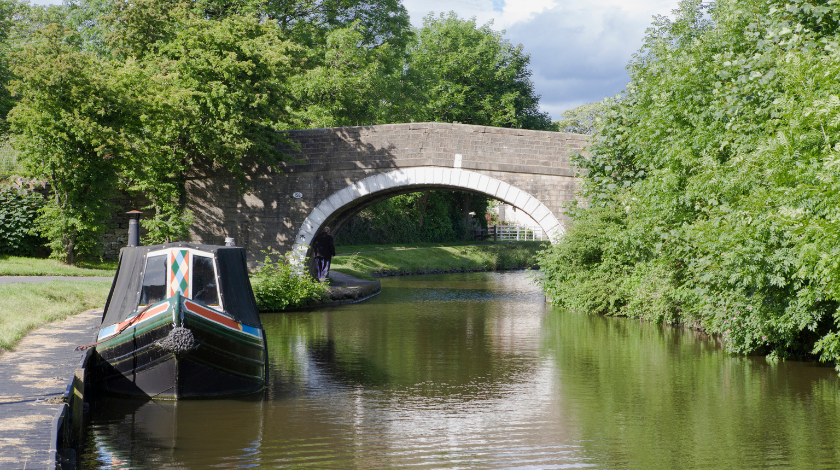
From there, make your way to the Leeds and Liverpool Canal. This is where the town relaxes. The canal side path offers gentle, flat walks with beautiful views of the Pennines. I spent a peaceful hour watching narrowboats navigate the Greenberfield Locks, a stunning flight of locks just outside town. It’s a reminder of the town’s crucial role in the industrial transport network. For a slightly wilder stroll, head to Fernhurst Reservoir, a serene spot popular with dog walkers and birdwatchers.
Back in the town centre, have a look at the handsome Town Hall on Rainhall Road. Pop into some of the independent shops. I found a brilliant little hardware store that had everything you could possibly need, run by someone who knew the history of every tool in there. That’s the thing about Barlick’s shops – they often feel like community outposts. And you must finish your visit in a proper local pub. The conversations you’ll overhear – a mix of local gossip, engineering talk, and plans for walking trips – are the real soundtrack of the town.
The Heart of the Matter: Community Spirit
What struck me most, more than any single building or view, was the palpable sense of community. This is a town that looks after its own. There’s a busy market, local festivals, and a network of clubs and societies. People say hello. They take pride in their town’s unique identity, that blend of Yorkshire bluntness and Lancastrian warmth. Living in Barnoldswick, I imagine, means being part of a story. It means having the stunning Yorkshire Dales on your doorstep for weekend adventures, but coming home to a place with its own tough, proud history. The schools are well-regarded, it’s relatively affordable, and you’re connected by decent roads. But the real value is intangible – it’s belonging to “Barlick.”
Conclusion: More Than Just a Name on a Map
Barnoldswick taught me a valuable lesson about travel and discovery. The places you don’t plan to visit are often the ones that stay with you. It’s not a museum town; it’s a living, breathing, working community that wears its incredible history lightly but proudly. From the echoing spaces of Bancroft Shed to the quiet hum of the canal, from the memory of the weavers’ struggles to the high-tech legacy in the Rolls-Royce factory, Barnoldswick is a masterclass in adaptation. It’s a town built on skill, reshaped by innovation, and held together by an unbreakable community spirit. So next time you’re heading to the Dales, give yourself an extra hour. Turn off at Barlick. Park the car, take a walk, have a pint, and talk to someone. You’ll discover a piece of England’s soul, and it’s a story well worth hearing.
Frequently Asked Questions (FAQ)
Is Barnoldswick in Lancashire or Yorkshire?
Administratively, it is in the Pendle district of Lancashire. However, historically and culturally, it has strong ties to the West Riding of Yorkshire, as it was part of Yorkshire until 1974. Many residents still feel a strong connection to their Yorkshire heritage.
What is Barnoldswick famous for?
It is famous for two major industries: its 19th-century weaving heritage (symbolised by the magnificent Bancroft Shed) and its 20th-century role as a centre for Rolls-Royce aero engine manufacturing. This transition from textiles to high-precision engineering defines the town.
What are the main things to do in Barnoldswick?
Key activities include visiting the Bancroft Shed engine room, walking along the Leeds and Liverpool Canal (especially to the Greenberfield Locks), exploring the local history at the Walkers Centre, enjoying the green space at Fernhurst Reservoir, and experiencing the independent shops and pubs in the town centre.
Is Barnoldswick a good place to live?
It is often considered a good place to live for those seeking a strong community feel, independent local businesses, good access to the countryside of the Yorkshire Dales, and a lower cost of living compared to major cities. Its sense of history and identity is a major draw.
What does “Barlick” mean?
“Barlick” is the traditional and affectionate local nickname for Barnoldswick. Using it is a sign of familiarity with the town and its community.