
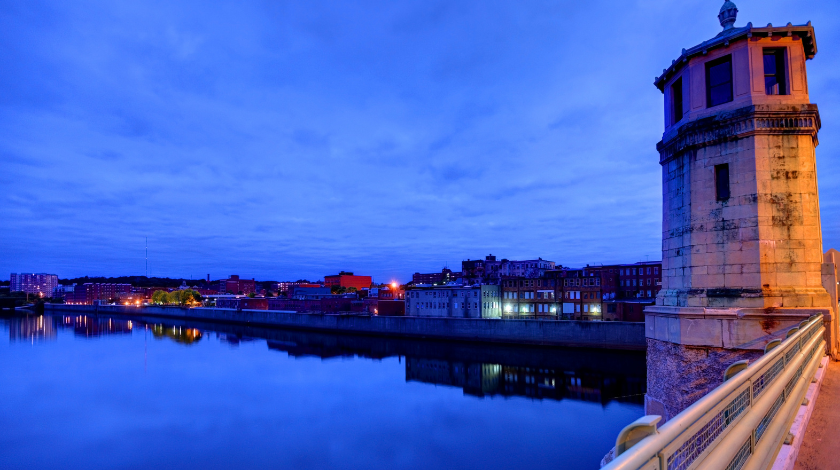

Let me be honest. For years, Haverhill was just a name on a highway sign for me, a blur on Route 495 somewhere north of Boston. I’d heard the old nickname, “The Queen Slipper City,” and pictured a place stuck in its industrial past. Then, a few years ago, a friend moved there and insisted I visit. What I found completely changed my mind. I discovered a city that proudly wears its history on its sleeve while actively building a vibrant, modern community. If you’re curious about Haverhill—whether you’re thinking of moving, visiting, or just learning—let me walk you through why this city is one of New England’s underrated gems.
A Stroll Through History: More Than Just “The Queen Slipper City”
To understand Haverhill today, you have to tip your hat to its yesterday. That iconic “Queen Slipper City” moniker isn’t just a cute slogan. In the 19th and early 20th centuries, Haverhill was a global powerhouse in shoe manufacturing. At its peak, the city produced millions of shoes annually, with factories lining the Merrimack River. This industry shaped everything—the sturdy brick buildings downtown, the diverse immigrant communities who came to work, and the city’s strong, blue-collar identity.
You can feel this history tangibly at places like the Buttonwoods Museum. Housed in the 1814 John Ward House, it’s not just a collection of artifacts; it’s a gateway. Standing in its rooms, you learn about the early settlement, the tragic Haverhill raids of the 1600s, and the transition to industry. But the real soul of the story is in the everyday objects of the people who built this city. You see the tools of the shoemakers, and it clicks—this was a city of skilled makers.
Then there’s the John Greenleaf Whittier Home. The famed Quaker poet and abolitionist called Haverhill home. Touring his modest birthplace, you get a different slice of history, one of literature and social justice that flourished alongside the factory noise. This contrast is key. Haverhill wasn’t just factories; it was a place of thought, art, and principle. This rich past isn’t buried; it’s the foundation. And as I’ve learned, the best foundations are used to build something new.
From Shoes to Shores: The Incredible Riverfront Revival
This is where Haverhill’s story gets exciting. Like many old industrial cities, it faced challenges when the factories closed. For decades, the city’s greatest natural asset—the broad, beautiful Merrimack River—was largely hidden behind decaying mill buildings. But what’s happened here over the last 15-20 years is a textbook example of smart revitalization.
The crown jewel is the Haverhill Boardwalk. I remember my first time walking it. On one side, you have the gentle, steady flow of the Merrimack. On the other, you have beautifully restored red-brick mill buildings, now buzzing with life as restaurants, breweries, and apartments. There are parks, benches, and public art. It’s a space built for people. On a summer evening, you’ll see families strolling, couples dining at waterfront patios, and friends laughing outside a brewery. The river, once a tool for industry, is now the heart of community life. This transformation isn’t just aesthetic; it’s economic and social. It shows a city betting on itself, and winning.
The Heartbeat of Haverhill: Downtown and the Arts
The energy from the boardwalk spills directly into downtown Haverhill. Washington Street and the surrounding blocks are where you feel the city’s present-day pulse. Forget the empty storefronts you might find in other towns. Here, you’ll find a compelling mix.
There’s a thriving dining scene that punches above its weight. From upscale farm-to-table spots to cozy, family-run ethnic restaurants—think fantastic Portuguese, Dominican, and Italian food reflecting the city’s diverse community—you can eat very well here. I have a personal favorite little coffee shop where the baristas know regulars by name, and it epitomizes the local vibe. It’s friendly, unpretentious, and quality-focused.
Culture is a huge part of this. The Haverhill Firehouse Center for the Arts is an absolute treasure. Housed in a historic fire station, it hosts everything from national touring musicians and stand-up comics to local theater productions and art classes. Seeing a show there feels intimate and special. There are also boutique shops, vintage stores, and regular events like the Haverhill Farmers Market, which turns a parking lot into a weekly community party of fresh produce, live music, and neighborly chat.
Green Spaces and Family Fun: Beyond the Brick
While the downtown is vibrant, Haverhill offers plenty of escapes into nature. The most magical of these is Winnekenni Park. This 500-acre preserve feels worlds away from the city. Its centerpiece is the stunning Winnekenni Castle, a stone structure built in the 1870s that looks like it’s been teleported from the European countryside. You can hike or drive around Kenoza Lake, have a picnic, and explore miles of wooded trails. It’s my go-to spot for a mental reset. The park also hosts concerts and festivals, blending nature with community gathering.
For more active recreation, Plug Pond offers swimming and a beach area in the summer. The Grand Trunk Trail, a rail-to-trail path, is perfect for biking, walking, or running, connecting different parts of the city in a green corridor. And of course, the Merrimack River itself is a playground for kayaking, canoeing, and fishing. The balance is impressive—you’re rarely more than ten minutes from a peaceful, green space.
The Practical Side: Schools, Commuting, and Community Vibe
So, what’s it like to actually live here? As someone who’s spent considerable time talking to residents and exploring, I can offer a balanced view.
For families, the Haverhill Public Schools district is a topic of active discussion, like in most cities. It faces challenges but is also home to dedicated teachers and specific programs that shine, like those at Whittier Regional Vocational Technical High School. Many parents are deeply involved, which is always a positive community sign. There are also private and charter school options.
The commute is a major draw. With the Haverhill Commuter Rail Line, you can be at Boston’s North Station in about an hour. For drivers, I-495 and Route 125 provide straightforward access to New Hampshire, the coast, and the rest of Massachusetts. It’s a classic New England “hub” location.
The community vibe is Haverhill’s secret sauce. This isn’t a glossy, perfected suburb. It’s a real, working-class city with a proud history that’s actively creating its future. You see it in the way people support local businesses, in the vibrant ethnic festivals, and in the civic pride for projects like the boardwalk. There’s a sense of authenticity here that I find refreshing. People are friendly without being nosy, proud of their city’s progress but clear-eyed about the work still to do.
Conclusion: A City Comfortable in Its Own Skin
Haverhill, Massachusetts, won’t dazzle you with pretension. Instead, it wins you over with substance. It’s a city that respects its roots as a maker of shoes and poetry, and is now skillfully crafting its next chapter. It offers the practical benefits of good location and affordable living (compared to Boston’s immediate suburbs), paired with the intangible benefits of community spirit, natural beauty, and a growing cultural scene.
It feels like a place that’s comfortable in its own skin, not trying to be something else. Whether you’re kayaking on the Merrimack at sunset, enjoying a craft beer on the boardwalk, exploring a castle in the woods, or digging into a history book at the local museum, Haverhill offers layered, genuine experiences. It’s a hidden gem that’s happily revealing itself, one visitor, one new resident, at a time. I’m glad I looked beyond the highway sign.
Frequently Asked Questions (FAQ)
Q: Is Haverhill, MA a good place to live?
A: Haverhill can be an excellent place to live for the right person or family. It offers a lower cost of living than many Boston suburbs, a strong sense of community, a revitalized downtown and waterfront, and great commuter access. It’s ideal for those who value history, authenticity, and being part of a city’s ongoing growth.
Q: What is Haverhill best known for?
A: Haverhill is historically known as “The Queen Slipper City” for its dominant role in the 19th-century shoe manufacturing industry. Today, it’s also known for its beautifully revitalized Merrimack River boardwalk, the historic Winnekenni Castle, and as the birthplace of poet John Greenleaf Whittier.
Q: How far is Haverhill from Boston?
A: Haverhill is approximately 35-40 miles north of Boston. The drive typically takes 45-60 minutes depending on traffic. The Haverhill Commuter Rail line provides direct train service to Boston’s North Station, with a ride of about one hour.
Q: What are some things to do in Haverhill with kids?
A: Families have great options! Walk or bike the scenic Haverhill Boardwalk, explore the trails and castle at Winnekenni Park, go swimming at Plug Pond, visit the interactive exhibits at the public library, or enjoy a family-friendly show at the Firehouse Center for the Arts. The parks and riverfront provide lots of space to play.
Q: Does Haverhill have a downtown?
A: Yes, and it’s very active! Downtown Haverhill, centered around Washington Street, features a diverse array of restaurants, cafes, boutique shops, art galleries, and performance venues. It’s directly connected to the riverfront boardwalk, making it a lively destination for dining and entertainment.